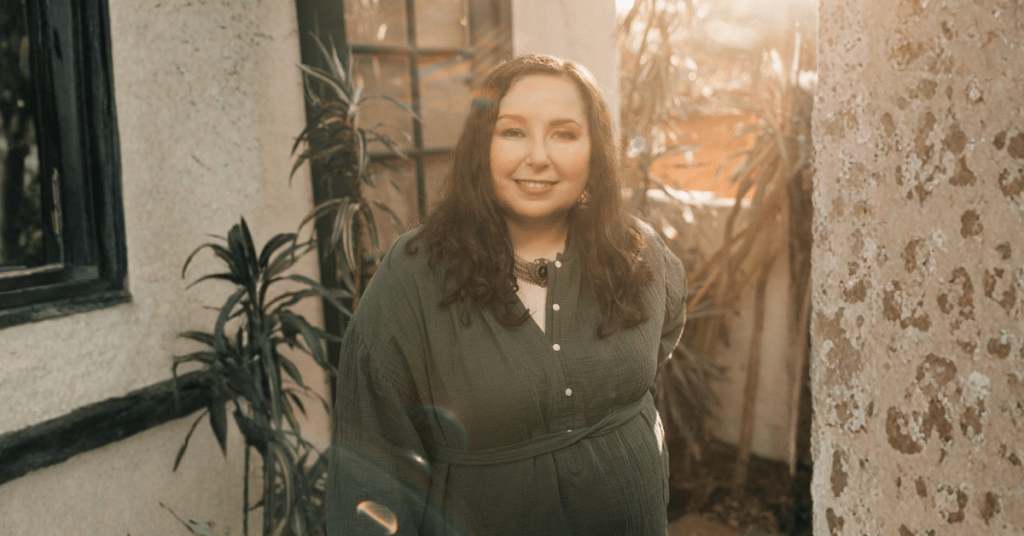

By Noah Buchanan, Associate Professional Clinical Counselor and founder of the Transcend Stigma Project
The Hidden Biases That Undermine Allyship
Most people want to believe they are good people. We want to see ourselves as compassionate, fair, open minded, and supportive of others.
When we witness injustice, many of us feel a genuine desire to help. We attend trainings, read books, share resources, donate money, advocate for change, and try to show up for communities facing discrimination and marginalization.
These efforts do matter.
Yet one of the most difficult truths about allyship is that good intentions are not the same as good outcomes.
Human beings are not objective observers. We all carry assumptions, biases, blind spots, and emotional defenses that shape how we understand the world.
Sometimes those biases lead us to unintentionally undermine the very people we hope to support.
This does not make us bad people, it makes us human.
The goal of allyship is not perfection.
The goal is developing enough self-awareness to recognize when our desire to help becomes tangled up with our need for validation, comfort, control, certainty, or approval.
Why Good Intentions Are Not Enough
Many conversations about allyship focus on what people should do such as listen more, speak up, educate yourself, advocate for change which I want go on record saying all of these are important.
What is often missing from the conversation is a discussion about the psychological processes happening underneath our actions.
People do not enter conversations as blank slates.
We bring our experiences, fears, identities, values, and unconscious beliefs with us.
Sometimes those internal dynamics shape our behavior in ways we do not recognize.
In other words, allyship is not only about learning new information. It is also about learning ourselves.
The Savior Bias: When Helping Becomes About Being the Hero
One of the most common pitfalls in allyship occurs when helping becomes tied to identity.
Many people derive meaning from helping others.
There is nothing inherently wrong with that. In fact, the desire to contribute can be a powerful force for good.
Problems arise when the ally becomes the central character in a story that is not theirs.
The savior bias shows up when people assume they know what a community needs without listening to members of that community.
It appears when professionals dismiss lived experience because they believe their education provides all the answers.
It can emerge when organizations create programs for marginalized groups without meaningfully involving those groups in the process. The focus shifts away from empowerment and toward rescue.
Meaningful allyship recognizes that people experiencing marginalization are not passive recipients waiting to be saved. They possess expertise, resilience, insight, and knowledge that deserve recognition and respect. Sometimes support looks less like leading and more like listening.
The Validation Trap: Wanting Recogition for Doing The Right Thing
Most people appreciate being acknowledged.
We enjoy hearing that our efforts matter.
We like feeling valued and appreciated by others.
The challenge begins when allyship becomes dependent on recognition. Some people become deeply invested in being seen as supportive, progressive, inclusive, or socially aware. Their identity becomes attached to being one of the “good people.” When feedback arrives however, it can feel threatening.
Rather than focusing on the impact of their actions, they focus on defending their intentions. Conversations become centered around proving that they meant well rather than understanding how someone else experienced the interaction.
The desire for validation is understandable.
The problem is that allyship becomes fragile when it depends on applause. Growth often requires the willingness to hear difficult feedback without immediately turning the conversation into a defense of our character.
The Fragility Bias: When Discomfort Feels Like Danger
As a therapist, I often think about how people respond to discomfort.
Most of us are not taught how to sit with it. When we encounter information that challenges our worldview, we may become defensive, withdrawn, angry, embarrassed, or overwhelmed. Our nervous systems often interpret discomfort as something that needs to be eliminated as quickly as possible.
This tendency appears frequently in conversations about oppression and inequality.
Discussions about racism, ableism, transphobia, sexism, poverty, religious discrimination, or other forms of systemic harm can trigger strong emotional reactions. People may feel guilt, shame, confusion, or fear of saying the wrong thing.
These reactions are normal.
The problem occurs when avoiding discomfort becomes more important than pursuing understanding.
Discomfort is not always a sign that something is wrong.
Sometimes it is a sign that growth is taking place.
The Performative Ally: Looking Supportive Without Taking Risks
There is a difference between visibility and action.
Visible support is often easier. It can involve sharing educational content, posting statements of solidarity, attending events, or publicly aligning with a cause. These actions can have value.
The real question is what happens when support becomes inconvenient.
What happens when a friend makes a prejudiced joke?
What happens when a family member spreads misinformation?
What happens when a workplace policy disadvantages a marginalized group?
What happens when speaking up risks conflict, criticism, or social rejection?
Performative allyship often thrives when support is rewarded and disappears when support requires courage.
Meaningful allyship is not measured by what we do when people are watching.
It is often revealed through what we do when nobody is.
The Expert Illusion: Mistaking Knowledge for Understanding
Education matters.
Learning about different communities, histories, and systems of oppression is an essential part of allyship. Reading, listening, attending trainings, and seeking diverse perspectives all contribute to growth.
At the same time, knowledge can create a false sense of certainty.
A person may become familiar with terminology, theories, and research and begin to assume they fully understand experiences they have never lived. This can create an unintended hierarchy where expertise is valued more than lived experience.
A clinician may understand trauma theory without fully understanding racial trauma.
A researcher may understand disability studies without understanding what it means to navigate an inaccessible world.
A well intentioned ally may know the language of inclusion while still missing important aspects of someone’s lived reality.
The more we learn, the more humble we should become. Knowledge should deepen curiosity, not replace it.
The Conditional Ally
Some forms of allyship come with invisible conditions.
Support is available as long as people remain calm, patient, grateful, and easy to understand. The moment anger, frustration, criticism, or disagreement enters the conversation, that support begins to disappear.
This dynamic places an unfair burden on marginalized communities.
It suggests that people must earn empathy by expressing themselves in ways that make others comfortable.
History tells a different story.
Many social movements were fueled by frustration, grief, exhaustion, and anger. These emotions are not evidence that a cause lacks legitimacy. Often, they are evidence of prolonged harm and unmet needs.
Supporting people only when they are easy to support is not solidarity.
Real solidarity remains present even when emotions become uncomfortable.
The Comparison Bias: Ranking Oppression
Another common mistake in allyship involves treating suffering as a competition.
People compare experiences. They debate who has it worse. They minimize one group’s challenges by pointing to another group’s struggles.
These conversations often create division where solidarity could exist. Different forms of oppression operate differently. They have distinct histories, impacts, and manifestations.
Recognizing those differences does not require ranking them against one another. Empathy is not a limited resource. Supporting one community does not require dismissing another.
A more liberatory approach asks a different question.
Instead of deciding whose suffering matters most, it asks how we can better understand and address harm wherever it exists.
The Bias We All Carry
One of the greatest obstacles to growth is believing that bias only exists in other people. Bias is not evidence of moral failure. It is a feature of being human.
Every person develops assumptions based on culture, family, education, personal experience, and social conditioning. These mental shortcuts help us make sense of a complicated world, but they can also narrow our perspective.
The goal is not to become unbiased. That is impossible.
The goal is to become aware enough of our biases that they no longer operate without our awareness. Self reflection does not eliminate blind spots. It helps us recognize them more quickly when they appear.
Allyship as a Practice of Humility
Perhaps the most important lesson about allyship is that it is not an identity. It is not a badge. It is not something a person earns and keeps forever. It is a practice.
Like any practice, it requires ongoing reflection, learning, and adjustment.
It requires the willingness to acknowledge mistakes without becoming consumed by shame.
It requires curiosity about experiences that differ from our own.
It requires the humility to recognize that no amount of education will eliminate the need to keep listening.
The people who engage in meaningful allyship are not the people who never make mistakes. They are the people who remain willing to learn from them.
A Final Reflection
Many people assume the greatest threat to allyship is hostility.
Sometimes it is.
More often, the greater threat is certainty.
The belief that we already understand enough.
The belief that our intentions automatically protect us from causing harm.
The belief that growth is something we have completed rather than something we continue to practice.
The hidden biases that undermine allyship are not reasons to stop trying. They are invitations to become more thoughtful, more accountable, and more aware of how we move through the world.
Because allyship is not measured by how good we believe our intentions are. It is measured by our willingness to keep learning long after we think we have nothing left to learn.
About the Author
Noah Buchanan is an Associate Professional Clinical Counselor and founder of the Transcend Stigma Project. Their work focuses on supporting trans and gender-diverse individuals through affirming, stigma-informed care. Noah brings both clinical insight and lived-informed perspective to conversations around identity, mental health, and systemic barriers. View Noah’s profile on TeleWellness Hub