
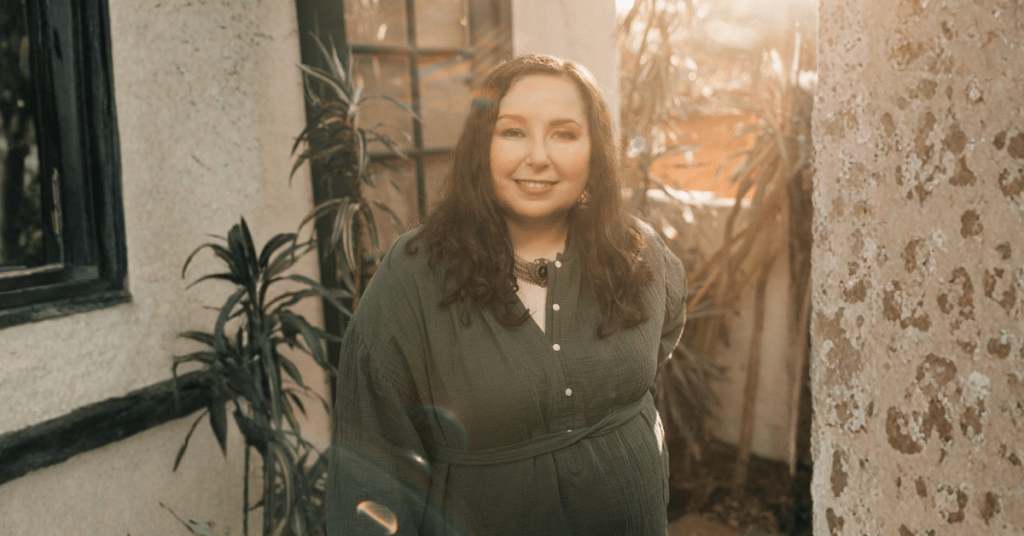
Many trauma survivors spend years believing they are broken. They recognize patterns around anxiety, shutting down, people pleasing, and the urge to numb out. They know those patterns aren’t helping. So why does stopping feel nearly impossible?
According to psychologist Dr. Natalie Feinblatt, the answer isn’t a lack of willpower or self-awareness. It’s that trauma lives deeper than logic.
Dr. Feinblatt works with adults navigating trauma, addiction, PTSD, codependency, and recovery. She provides virtual therapy for adults living in California, Colorado, and Florida. Her work centers on helping people understand the relationship between trauma, the nervous system, and healing, not through shame or self-improvement pressure, but through compassion and science.
You can learn more about Dr. Feinblatt through her TeleWellness Hub provider profile.
Your Reactions Are Not Signs of Failure
One of the most persistent misconceptions Dr. Feinblatt encounters is the belief that trauma responses are personal flaws.
“One thing I see over and over is people blaming themselves for responses that make perfect sense in the context of trauma. They often think they’re broken, weak, or ‘doing healing wrong.’ I wanted to create a resource that helps people understand what’s happening in their brains and nervous systems and offers a compassionate roadmap back to themselves.”
Trauma changes the way the nervous system responds to the world. Responses like hypervigilance, emotional numbness, avoidance, perfectionism, and people pleasing often develop because they once helped someone stay emotionally or physically safe.
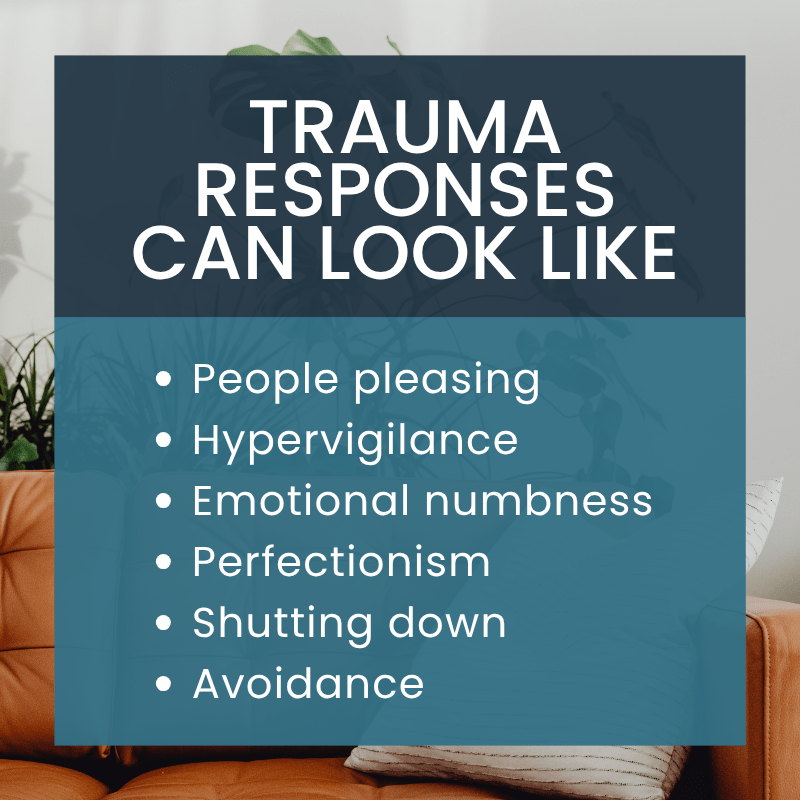
Research has shown that trauma can alter how the brain and nervous system process stress, leaving people in patterns of fight, flight, freeze, or fawn long after the original danger has passed.
The National Institute of Mental Health offers additional information about PTSD and available treatments for those who want to learn more.
Those responses can become deeply ingrained and persist even when the environment is no longer threatening.
Understanding that distinction can completely change how someone sees themselves. Instead of reading their symptoms as evidence of personal failure, they can begin to recognize them as intelligent survival strategies that may simply no longer be serving them. If you’re wondering whether what you’re experiencing might be rooted in early experiences, hidden signs of childhood trauma can sometimes be easier to recognize in retrospect.
Why Insight Alone Is Not Enough
Many of Dr. Feinblatt’s clients are thoughtful, highly sensitive, and deeply self-aware. Ironically, those strengths can make the healing process feel more frustrating, not less.
“Sensitive and insightful people often understand themselves intellectually long before they feel safe emotionally. Many are highly empathic and self-aware, but they can also be prone to overthinking, perfectionism, and self-criticism. Healing often involves learning that insight is important, but nervous systems heal through experience, not understanding alone.”
This is one of the most important distinctions in trauma recovery. Reading books, listening to podcasts, and building intellectual understanding of trauma can be genuinely valuable, but lasting change also requires new experiences that teach the body what safety actually feels like. Knowing why something happens does not automatically change how the nervous system responds.
This principle is especially relevant for people navigating Complex PTSD, where prolonged or repeated trauma can create deeply entrenched patterns of emotional dysregulation and negative self-belief.
Evidence-based treatments for trauma often combine education, skill-building, and therapeutic support. The American Psychological Association has published research and clinical guidance showing that trauma-focused therapies can meaningfully reduce symptoms and improve quality of life.
The Question That Changes Everything
One of the most powerful shifts Dr. Feinblatt encourages is deceptively simple. Changing the questions we ask ourselves.
“I wish more people understood that symptoms are often survival adaptations, not character flaws. Whether we’re talking about trauma or addiction, healing usually begins when we stop asking, ‘What’s wrong with me?’ and start asking, ‘What happened to me, and how did I learn to survive?'”
That shift moves people out of shame and into curiosity. Curiosity creates space for healing in a way that shame rarely does. It reframes the entire experience as not as a problem to be fixed, but as a response to be understood.
Healing Is Not About Becoming Someone New
Many people approach healing the way they approach other self-improvement projects. They want to fix themselves, optimize themselves, or become someone fundamentally different.
Dr. Feinblatt offers a different framing.
“To me, healing isn’t about becoming someone new, it’s about transforming pain into wisdom and survival into self-leadership. In practical terms, that means learning to understand and work with your nervous system rather than fighting yourself. Small shifts, practiced consistently, can create profound change over time. “
That perspective can feel surprisingly freeing. Healing doesn’t require erasing who you are. It often begins with understanding why your mind and body developed the strategies they did, and gradually building new experiences of safety that can replace old patterns.
If you’re unsure whether your current experience warrants professional support, it’s worth knowing that you don’t need to be in crisis to deserve care. Seeking help early — before things reach a breaking point — is a legitimate and often more effective approach.
A Collaborative, Compassionate Approach
Dr. Feinblatt describes her therapeutic philosophy as collaborative, practical, and grounded in both science and humanity.
“I believe healing works best when it’s collaborative, compassionate, and grounded in both science and humanity. I take my work seriously, but I don’t believe people need more judgment or pressure. I believe they need understanding, safety, and practical tools that help them reconnect with themselves.”
Because trauma and addiction are often closely connected, finding support that addresses both can be an important part of recovery. The Substance Abuse and Mental Health Services Administration (SAMHSA) offers free educational resources, treatment information, and a national treatment locator for individuals and families seeking care.
To help people begin building that foundation, Dr. Feinblatt created a free 20-minute educational training called 3 Trauma-Informed Tools to Regulate CPTSD Hijacks. It introduces practical strategies for understanding what happens during trauma responses and offers compassionate tools for beginning to regulate them.
3 Trauma-Informed Tools to Regulate CPTSD Hijacks
If this article resonated with you, Dr. Natalie Feinblatt offers a free educational training that explores why trauma responses happen, practical nervous system regulation tools, and her SAFE Model™ for responding from a calmer, more grounded place.
You Are Not Broken
If readers take one thing from Dr. Feinblatt’s work, she hopes it’s this,
“You are not broken, and you don’t have to shame yourself into healing. Your mind and body have been trying to protect you, and it’s possible to learn a new way of being.”
That message challenges what many trauma survivors have absorbed over years: that they simply need more discipline, more willpower, more positive thinking. Dr. Feinblatt’s work offers something different. And for many people, something far more useful.
Learn More or Find Support
If you’re ready to explore trauma-informed care, knowing how to find the right therapist can make the process feel less overwhelming. It also helps to have a sense of when seeking mental health support makes sense, which is often earlier than people expect.

About the Expert
Dr. Natalie Feinblatt specialties include trauma, PTSD, addiction, codependency, chronic relapse, and dual diagnosis. Visit her TeleWellness Hub profile to learn more about her approach and connect with her practice.
TeleWellness Hub connects individuals with trusted mental health and wellness providers offering virtual care across the United States. Our mission is to make it easier to find ethical, compassionate care while helping independent providers share their expertise through education and community. Our editorial content is reviewed for clinical accuracy and reflects the realities of seeking and providing mental health care. This content is for informational purposes only and is not a substitute for professional medical advice, diagnosis, or treatment.
Frequently Asked Questions
Yes. Trauma can change how the nervous system responds to stress, making reactions like anxiety, shutdown, hypervigilance, or emotional numbness feel automatic. These responses often develop as survival strategies rather than signs of weakness.
Insight is valuable, but healing involves more than understanding. As Dr. Feinblatt explains, nervous systems heal through new experiences of safety, not knowledge alone.
Not necessarily. With compassionate support, trauma-informed therapy, and consistent practice, many people experience meaningful healing and improved nervous system regulation.
Complex Post-Traumatic Stress Disorder (CPTSD) can develop after prolonged or repeated trauma. It often includes emotional dysregulation, negative self-beliefs, relationship difficulties, and nervous system dysregulation. Learn more in our full guide to understanding Complex PTSD in adults.
You don’t need to be in crisis to reach out. If you’re experiencing persistent symptoms that affect your daily life, relationships, or sense of self, that’s a meaningful reason to seek care. See when to seek mental health support for more guidance.

Find a therapist who fits your needs
TeleWellness Hub brings together qualified therapists and telehealth providers in one place. Browse profiles, explore specialties, and choose someone who feels right for you.