
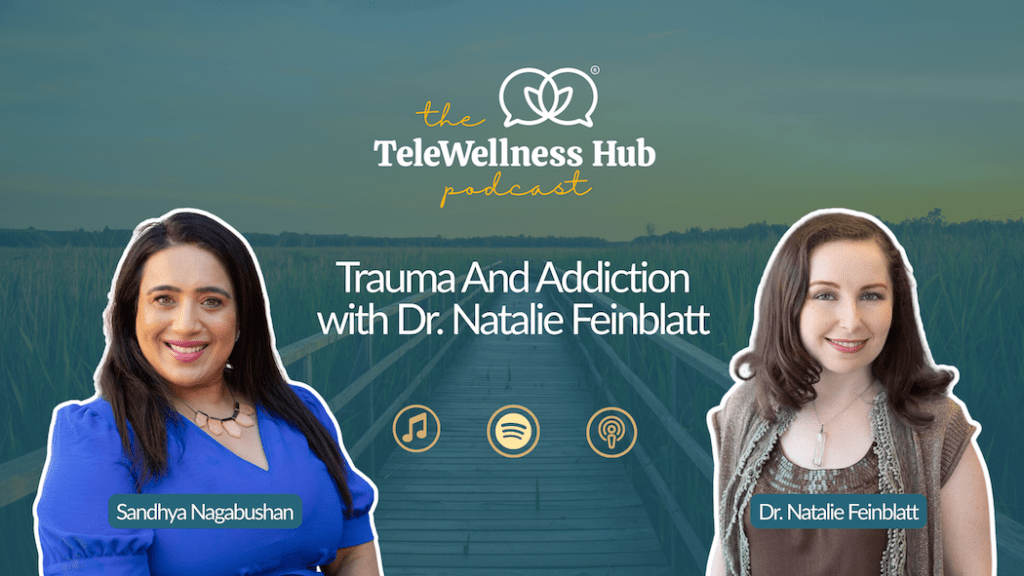
Understanding trauma requires more than awareness, it requires expertise, compassion, and the ability to meet individuals where they are in their healing journey.
In a recent episode of the TeleWellness Hub Podcast, Dr. Natalie Feinblatt shares her clinical perspective on working with individuals navigating complex PTSD, addiction, and the long-term effects of trauma.
As a licensed clinical psychologist, Dr. Feinblatt specializes in helping adults uncover and address the root causes behind emotional distress and substance use.
A Trauma-Informed Approach to Care
Dr. Feinblatt’s work is grounded in trauma-informed care, an approach that recognizes how deeply trauma can affect both the mind and body.
Rather than focusing solely on symptoms, her approach emphasizes:
- Understanding a client’s full trauma history
- Creating a safe and supportive therapeutic environment
- Addressing both emotional and physiological responses to trauma
- Supporting long-term, sustainable healing
As she explains, trauma is not limited to major life-threatening events. It can also stem from prolonged relational experiences, emotional distress, and developmental challenges over time.
This broader understanding allows for more accurate diagnosis and more effective treatment.

The Link Between Trauma and Addiction
A key focus of Dr. Feinblatt’s practice is the intersection of trauma and substance use.
In her clinical experience, trauma and addiction are deeply interconnected, with many individuals using substances as a way to cope with unresolved emotional pain.
Her approach focuses on identifying and addressing these underlying causes, rather than treating addiction in isolation.
This allows for a more comprehensive and compassionate path to recovery.
Evidence-Based Treatment Modalities
Dr. Feinblatt incorporates a range of evidence-based therapies into her work, including:
- EMDR (Eye Movement Desensitization and Reprocessing): A structured therapy that uses bilateral stimulation to help individuals reprocess traumatic memories and reduce their emotional intensity.
- Trauma-Focused Therapy: Integrating emotional, cognitive, and physiological components of trauma.
- Neuroplasticity-Based Approaches: Helping clients build new neural pathways through repetition, coping strategies, and therapeutic interventions.
These approaches allow clients to move from experiencing trauma as something intrusive and overwhelming to something that can be processed and integrated.

A Realistic Perspective on Healing
One of the most important aspects of Dr. Feinblatt’s work is setting realistic expectations for recovery.
Healing timelines vary. While single-event trauma may be addressed in a matter of months, more complex trauma often requires a longer-term approach.
Her goal is not simply symptom reduction, but meaningful, lasting change.
As she describes, recovery is often about “turning down the volume” on trauma—helping individuals regain control and reduce the impact of past experiences on daily life.
Supporting the Path to Recovery
Through TeleWellness Hub, individuals can connect with experienced professionals like Dr. Natalie Feinblatt who specialize in trauma and addiction recovery.
Access to qualified providers is a critical step in the healing process, especially for those navigating complex or long-standing trauma.
Conversations like this podcast episode help demystify trauma, reduce stigma, and encourage individuals to seek support.
Because healing begins with understanding and the right support can make all the difference.
Listen to the full episode of the TeleWellness Hub Podcast to learn more about Dr. Feinblatt’s approach and insights.
Spotify: https://open.spotify.com/episode/6OmZxeCa0qbJ2RO93n1Ar8?si=26d727b2eb4d4ef1
Apple Podcasts: https://podcasts.apple.com/us/podcast/trauma-and-addiction-with-dr-natalie-feinblatt/id1684275596?i=1000755744132