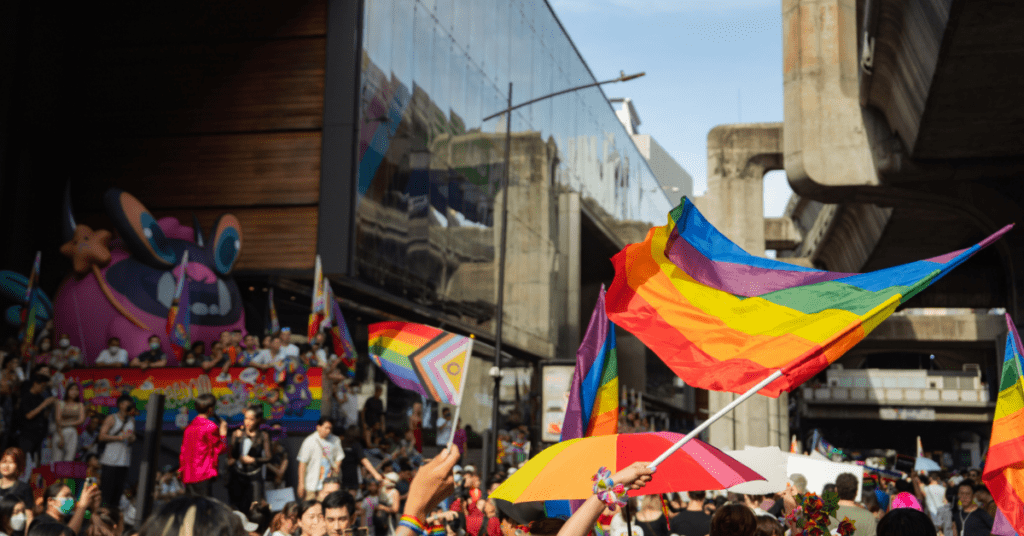

There is a gap between the care LGBTQ+ people need and the care they actually receive. That gap is not a mystery. It is the direct result of a system that has historically ignored, pathologized, and failed queer and transgender individuals. Closing it requires more than policy changes. It requires people. Specifically, it requires providers who understand this community, and platforms that make those providers findable.
This week, TeleWellness Hub is honoring LGBTQ+ Health Awareness Week by doing something concrete: offering 25 LGBTQ+ providers and providers serving LGBTQ+ communities free lifetime access to the platform. No obligations. Just visibility.
But first, here is why it matters.
Why Affirming Care Matters
Affirming care is not a niche specialty. For LGBTQ+ individuals, it is the baseline that makes care possible at all.
Studies consistently show that LGBTQ+ people are more likely to experience depression, anxiety, and suicidal ideation than their heterosexual and cisgender peers. This is not because of their identity. It is because of the stress that comes from navigating a world that questions, marginalizes, or actively harms them. Researchers call this minority stress.
Minority Stress Is Real, and Compounding
Minority stress refers to the chronic, elevated stress that comes from belonging to a stigmatized group. For LGBTQ+ individuals, this includes discrimination, family rejection, violence risk, and the constant low-level work of deciding whether it is safe to be yourself in any given situation.
When someone carries this kind of stress and then enters a healthcare system that does not understand them, or worse, judges them, the result is disengagement. They stop seeking care. Or they can delay treatment. They will go without.
An affirming provider does not just offer a welcoming intake form. They bring genuine cultural competence, they understand the specific ways that identity intersects with mental health, and they do not require clients to educate them on basic terminology before real work can begin.
Representation Reduces Harm
Research from the Trevor Project and other LGBTQ+ focused organizations shows that LGBTQ+ young people who have access to affirming spaces, including affirming mental health care, report significantly lower rates of depression and suicidal ideation.
For LGBTQ+ adults, having a provider who shares or deeply understands their experience can be the difference between consistent engagement with care and avoidance. Visibility is not symbolic. It is clinical.
“Affirming care is not a specialty. For LGBTQ+ individuals, it is the baseline that makes care possible.”
The Barriers LGBTQ+ People Face in Healthcare
Understanding why provider visibility matters requires understanding what LGBTQ+ individuals are navigating when they try to access care.
Fear of discrimination. Many LGBTQ+ people have experienced a healthcare provider who responded to their identity with confusion, judgment, or worse. That experience does not stay in the room. It shapes every future decision about whether to seek help.
Lack of affirming providers. Even people who want care struggle to find providers who identify as affirming and can demonstrate what that actually means in practice.
Cost and insurance barriers. LGBTQ+ individuals, especially transgender people, face higher rates of poverty and underemployment due to workplace discrimination. Healthcare costs, including mental health care, are often out of reach.
Geographic isolation. In rural or conservative areas, LGBTQ+ people may have no affirming local options at all. Telehealth has changed this equation significantly, but only if affirming providers are visible and accessible online.
Distrust of the medical system. For transgender individuals in particular, a history of pathologization, denial of care, and systemic gatekeeping has created deep and warranted skepticism toward medical systems as a whole.
Lack of cultural competence in training. Many providers were trained without meaningful LGBTQ+ content in their programs. Even well-meaning providers can cause harm through ignorance.
Telehealth has the potential to reduce several of these barriers at once. It expands geographic reach, reduces the exposure required for a first appointment, and gives people the ability to research a provider before they ever show up. But that only works if affirming providers are easy to find.
Why Provider Visibility Is Part of the Solution
Visibility is infrastructure. When an LGBTQ+-affirming provider is findable, searchable, and clearly represented in a directory, they become accessible to the people who need them most.
Right now, too many affirming providers are invisible online. Many providers face the same barriers. Some only have a basic directory listing with no LGBTQ+ search filters. Others struggle with how to market their expertise without feeling like they are reducing their identity or their practice to a buzzword. Many also lack the time or resources to build the kind of SEO presence that helps them get found.

What Visibility Actually Looks Like
Visibility is not just a photo and a bio. It is:
- ➝ Appearing in search results when someone types “LGBTQ+ affirming therapist” in your state
- ➝ Being listed in a directory that allows clients to filter by identity focus
- ➝ Having a platform that signals safety to someone who has been burned before
- ➝ Being part of a community of providers who share your values
This is what TeleWellness Hub is built to support. And during LGBTQ+ Health Awareness Week, we are removing the cost barrier entirely for 25 qualifying providers.
The TeleWellness Hub LGBTQ+ Provider Spotlight
In recognition of LGBTQ+ Health Awareness Week, TeleWellness Hub is offering 25 LGBTQ+ U.S.-based licensed providers free lifetime VIP access to the platform.
TeleWellness Hub exists to make it easier for people to find care that understands them. This initiative is designed to amplify LGBTQ+ providers and providers serving LGBTQ+ communities, so more people can discover and connect with affirming care.
“TeleWellness Hub exists to make it easier for people to find care that understands them.”
Who Is Eligible
This opportunity is open to licensed or credentialed wellness providers, including:
- ➝ Licensed therapists and counselors
- ➝ Psychologists
- ➝ Clinical social workers
- ➝ Psychiatrists
- ➝ Nurse practitioners
- ➝ Other licensed mental health and wellness professionals
Providers must be U.S.-based and currently licensed or credentialed in their field.
How Providers Will Be Selected
Providers will be selected at random from all qualifying applicants. There are no obligations attached to participation. This is simply an investment in the providers and communities that deserve to be seen.
The application is open until March 31, 2026. Once 25 providers have been selected, the initiative closes.
Apply for the LGBTQ+ Provider Spotlight
If you identify as LGBTQ+ or specialize in serving LGBTQ+ communities, this is your invitation. Free lifetime VIP access. No obligations. Selected at random.
Applications close March 31, 2026.
Frequently Asked Questions
LGBTQ+ Health Awareness Week is an annual observance that highlights the health disparities facing LGBTQ+ communities and promotes access to affirming, equitable care. It is a moment to recognize both how far the healthcare system has come and how far it still has to go.
An affirming provider actively creates a safe and inclusive environment for LGBTQ+ clients. This means using correct pronouns, understanding the intersection of identity and mental health, avoiding assumptions based on heteronormative or cisnormative frameworks, and continuing to educate themselves on LGBTQ+ specific experiences and health needs.
Research shows that LGBTQ+ individuals are more likely to avoid healthcare due to previous experiences of discrimination, fear of judgment, lack of insurance coverage, and difficulty finding providers who understand their specific needs. Transgender individuals face additional barriers including denial of care and pathologization.
When LGBTQ+ individuals can identify an affirming provider quickly and clearly, they are more likely to reach out, more likely to continue with care, and less likely to experience the disengagement that leads to worsening mental health. Visibility reduces the friction that stops people from getting help.
Yes. Through this specific initiative, 25 qualifying LGBTQ+ U.S.-based licensed providers will receive free lifetime VIP access to TeleWellness Hub. No payment, no trial, no obligations. The application is open until March 31, 2026, and providers are selected at random.
Visibility Is Care
The distance between an LGBTQ+ person in distress and the right provider is not just a Google search away. It is filtered through years of prior harm, systemic gaps, and the simple scarcity of providers who have made their affirming stance visible and findable.
TeleWellness Hub was built on the belief that visibility is not a marketing problem. It is a care access problem. When providers can be found by the people who need them, outcomes improve. Community deepens. Practices grow sustainably.
This week, we are making that easier for 25 providers who deserve to be seen.
If that is you, apply before March 31.
Applications close March 31, 2026. 25 spots. No obligations.
TeleWellness Hub Editorial Team
This resource was compiled by the TeleWellness Hub editorial team. TeleWellness Hub is a provider-first directory supporting independent mental health practitioners and the communities they serve, with a focus on accessibility, affirming care, and ethical digital health tools. Learn more about TeleWellness Hub.